


Why Understanding Warning Lights Improves Car Safety
Modern vehicles are equipped with a range of warning lights designed to alert drivers to potential issues before they become serious problems. From engine malfunctions to low tire pressure, these indicators are more than cosmetic features—they are vital safety tools. Understanding what each warning light means allows drivers to respond promptly, prevent accidents, and maintain their vehicle’s reliability. Ignoring or misinterpreting warning lights can lead to breakdowns, expensive repairs, or hazardous driving conditions. By learning to recognize and act on these alerts, drivers take proactive steps toward safer, more responsible vehicle operation.
Early Detection of Mechanical and Electrical Issues
 Warning lights serve as the vehicle’s first line of communication about mechanical or electrical problems. When a light illuminates, it signals that a system requires attention, often before the issue affects performance. For example, an engine warning light may indicate overheating, low oil pressure, or emission system faults. By addressing these signals immediately, drivers can prevent catastrophic failures that could result in sudden loss of control or breakdowns in unsafe locations. Early detection through warning lights enables timely inspection and repair, preserving the vehicle’s functionality and safety for the driver and passengers.
Reducing the Risk of Accidents
Understanding warning lights is directly tied to accident prevention. Alerts such as brake system warnings, traction control indicators, or airbag faults provide critical information about systems that maintain vehicle stability and driver control. Appropriate responses ensure that braking, steering, and other essential functions operate as intended. Ignoring these warnings could compromise performance, especially in adverse conditions like wet or icy roads. Drivers who recognize and react to warning lights are better positioned to maintain control, avoid collisions, and protect themselves and others on the road.
Preventing Costly Repairs and Breakdown Situations
While safety is the primary concern, warning lights also help prevent extensive damage and financial loss. Ignoring early alerts can escalate minor issues into major failures that require costly repairs. For instance, a neglected low tire pressure warning may lead to a blowout, while an engine oil warning could result in severe engine damage. By addressing warnings promptly, drivers maintain both vehicle health and financial efficiency. Preventive maintenance guided by warning lights ensures that vehicles remain roadworthy and reduces the likelihood of being stranded in unsafe locations.
Promoting Responsible Driving Habits
 Regular attention to warning lights encourages drivers to develop responsible habits. Monitoring indicators fosters awareness of vehicle condition, encourages routine maintenance, and reinforces the importance of safety checks before long trips. Drivers who consistently respond to warnings are more engaged with their vehicles, leading to better overall care and safer driving behavior. This proactive approach benefits not only the individual driver but also other road users who rely on safe, well-maintained vehicles.
Understanding and responding to car warning lights is a critical component of vehicle safety. These indicators provide early detection of mechanical and electrical issues, reduce accident risk, prevent costly repairs, and promote responsible driving habits. Ignoring warning lights compromises both safety and reliability, while knowledge and attention empower drivers to …
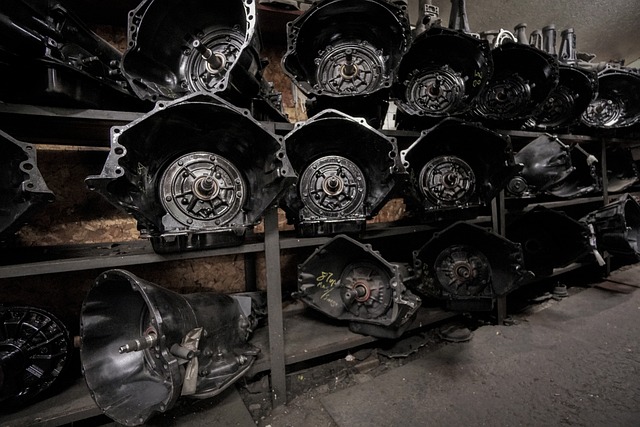
 If your car starts making strange sounds, pay attention. Unusual noises can be a clear indicator that something’s wrong with your transmission. Listen for grinding, whining, or clunking sounds when you shift gears. These noises often signal internal damage or worn components within the transmission system. It’s not just irritating; it could mean trouble ahead. You might also notice a hissing sound when the vehicle is in gear. This noise may point to issues with fluid levels or overheating problems affecting your transmission’s health.
 Poor acceleration can be a telling sign that your transmission is struggling. When you press the gas pedal, you expect a quick response. If your vehicle hesitates or seems to lag, something might be off. This delay …















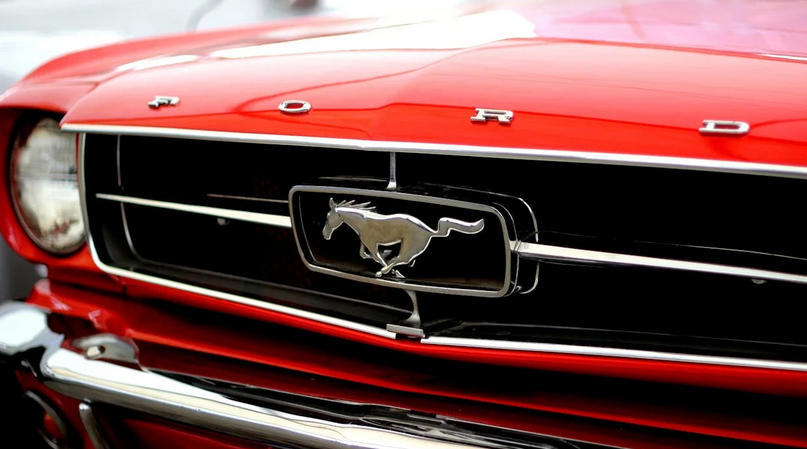
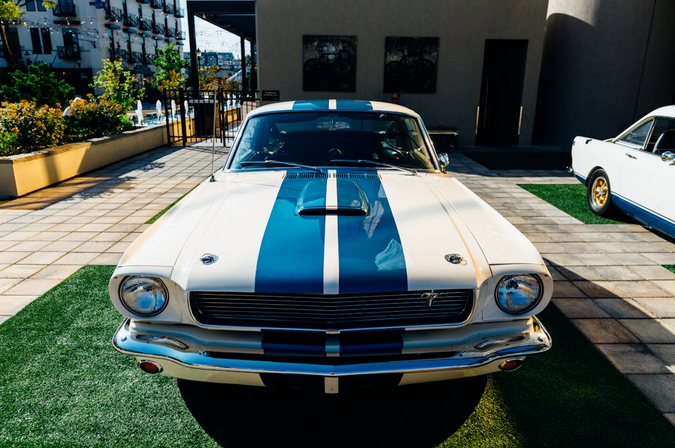

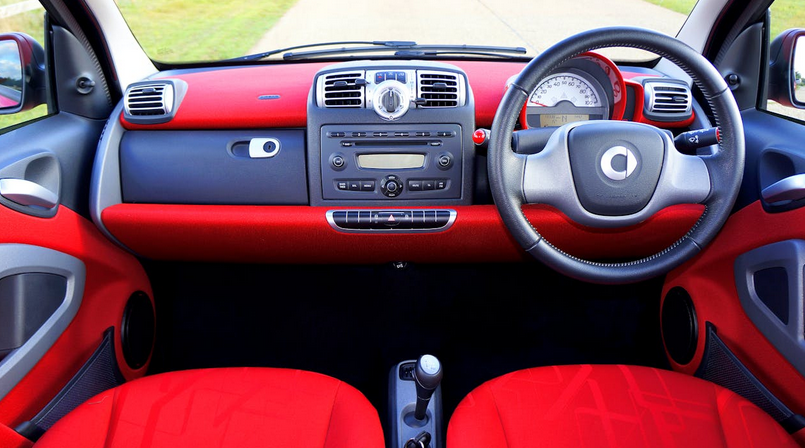
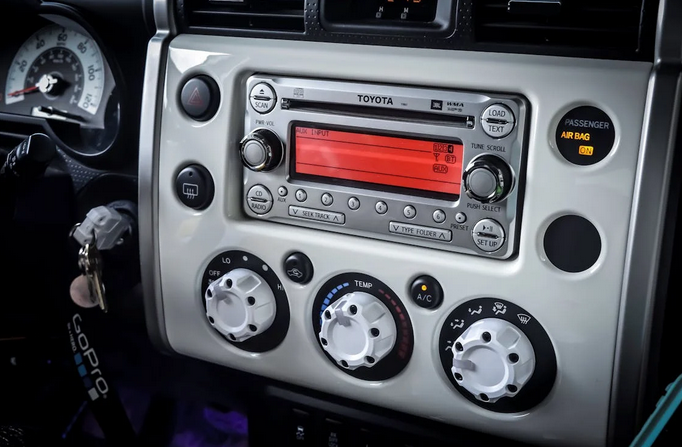



 In the early 1970s, Mercedes came up with a car that will benchmark the automotive industry. Before the oil crisis struck, the S-Class turned into a glistening example of creating an elegant, durable, and secure luxury car. The way Mercedes did these doorways from the inside’s paneling was magnificent.
 It was constructed from 1938 to 2003. Let us get the section that is terrible from this way: Adolf Hitler, the fascist dictator of Germany, arranged a vehicle folks could manage, the’KdF Wagen’ which turned to the Beetle. However, the job took off following WWII. Beetles pushed and were constructed.
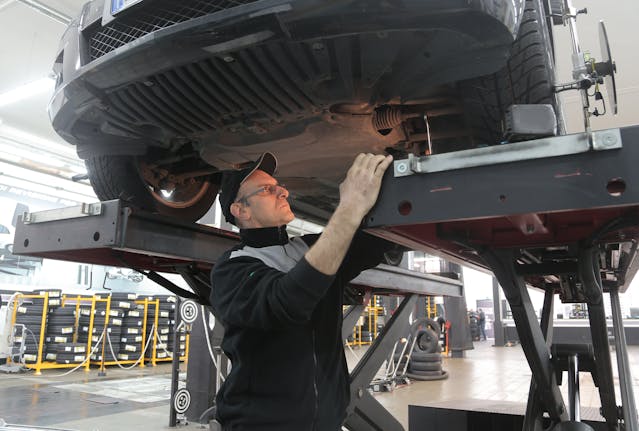
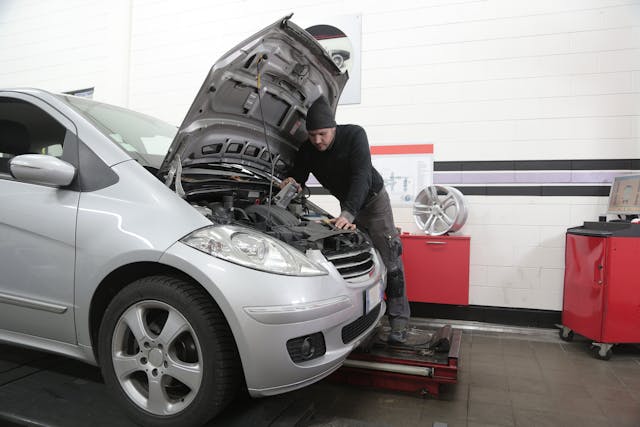
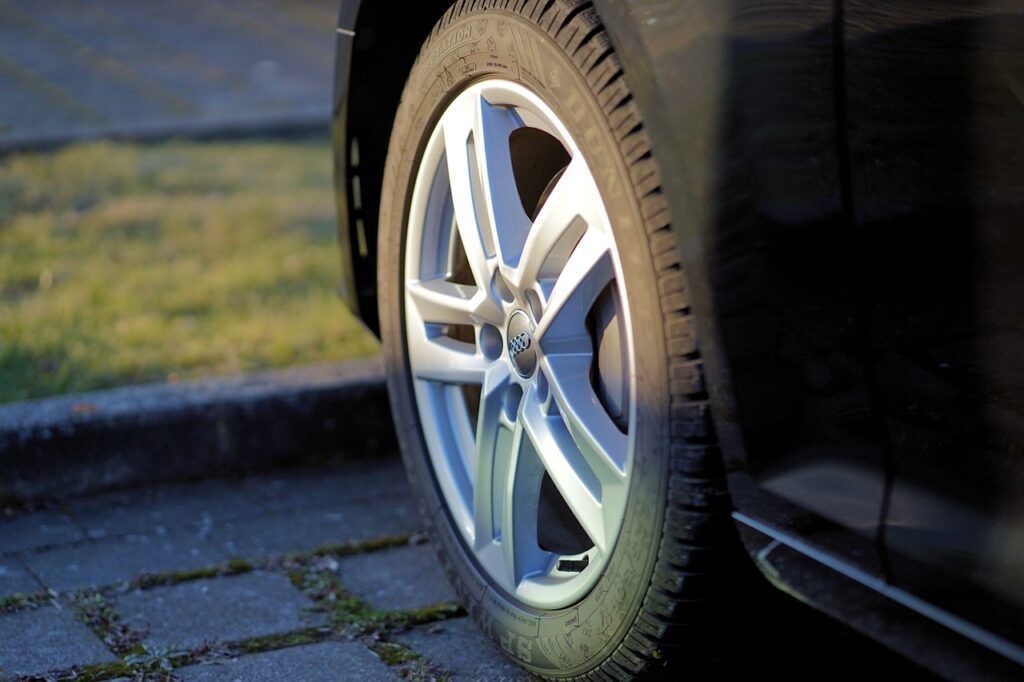
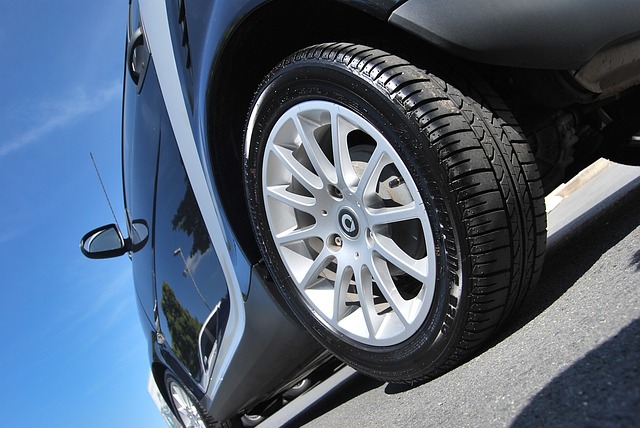

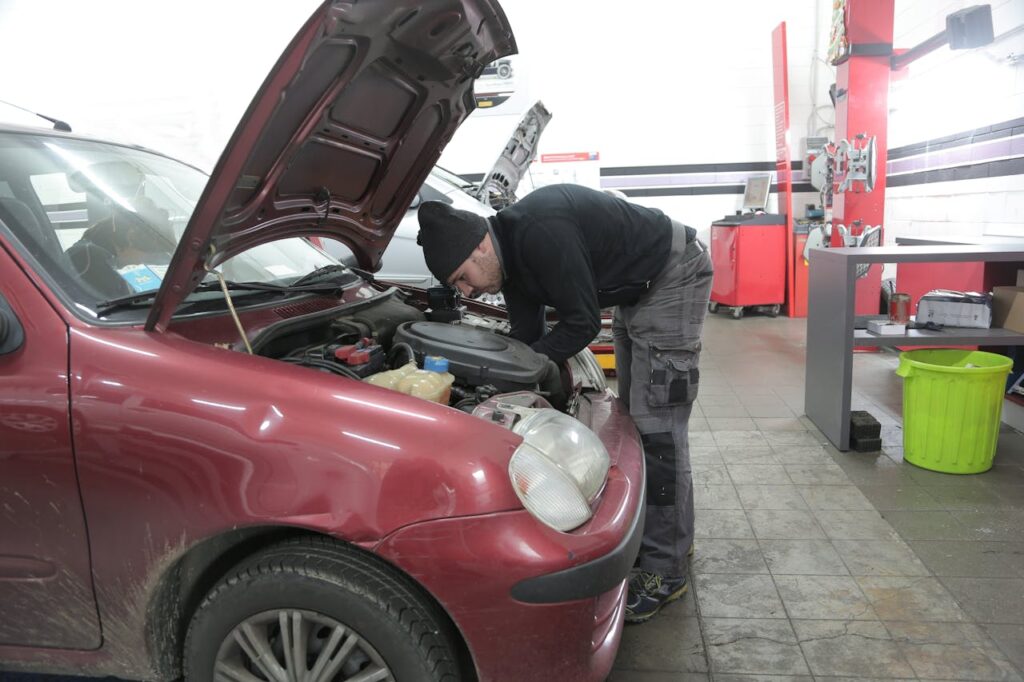


 In its many years in the market, the CR-V has become the world’s best-selling SUV – becoming a hugely important part of Honda’s line-up. Honda will be introducing its first-ever CR-V Hybrid car this early 2020. Another crossover-cum-SUV. People nowadays prefer spacious vehicles but not as big as a van, and it seems Honda was able to get the right size, and Honda CR-V is now on its fifth generation. Honda sells a lot of these things every year to people who want something practical and reliably tedious. Something to tow their caravan or horsebox, and send their children to school.
 Honda’s all-new tenth-generation displays the model’s return to being a sports sedan. It’s now bigger and lower than its previous models. The all-new Civic adopts a more rearward positioned cabin that gives the car a longer, more prominent hood. Its fastback roofline gives it the classic coupe-like long hood – short trunk proportions associated with coupes and premium sports sedans. Honda gave it flowing lines and sculpted sides for a more muscular appearance. A crisp character line rises through the doors and gradually slopes down towards the rear end; this accentuates its broad rear haunches. At the rear are C-shaped LED taillights, which extend to the tops of the trunk lid, this gives the Honda Civic a distinctive light signature.…






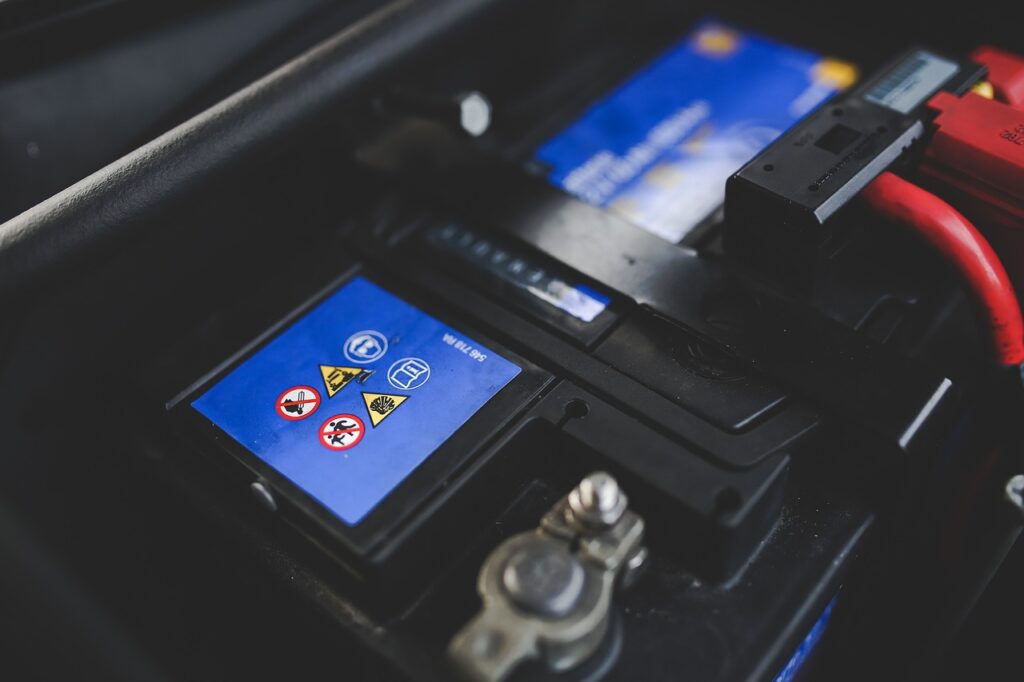
 The main sign of a dying battery is the inability to hold the charge. This may be due to different factors like a weak alternator. If you experience a flat battery or full drainage, it is likely to indicate a problem with the charging system. You can use an electronic tester to test the battery. In this case, you need to test the battery by reading the voltage.
 If the battery is dead, you can get another one from the local battery dealer. Always choose a battery based on the car owner’s manual. Remember that batteries have given amperage that is indicated at on top of the casing. You have the choice of buying either a car maintenance-free battery or the regular lead acid version.